
Safety Equipment Checklist for UAE Construction Sites
A construction site in the UAE is one of the busiest places you can stand. Cranes swing overhead, concrete trucks rumble past, and the summer sun pushes temperatures well past 40 degrees Celsius. In a setting like that, the right safety equipment is what stands between a normal workday and a trip to the hospital.
Every helmet, glove, and harness has a job to do. Skip even one, and a small slip can turn into a serious injury. Contractors across Dubai and the wider Emirates lean on trusted construction safety gear to keep their crews protected and their projects on schedule.
The list of gear is longer than most people expect. The desert heat also adds rules you will not find on a typical building site anywhere else. A hard hat that works fine in a mild climate can behave very differently at fifty degrees.
Key Takeaways
Every UAE construction site needs a core set of safety equipment: head protection, eye and face protection, hand protection, foot protection, high-visibility clothing, hearing protection, respiratory protection, fall protection, first aid supplies, and fire safety gear. UAE labour law requires employers to provide this gear and requires workers to use it correctly. The country's heat adds extra needs too, like shade, plenty of water, and a paused work window during the hottest hours of summer.
|
Category |
What it protects |
Common examples |
|
Head protection |
Skull, from falling objects |
Hard hats, bump caps, chin straps |
|
Eye and face protection |
Eyes and face |
Safety glasses, goggles, face shields |
|
Hand protection |
Fingers and hands |
Cut-resistant, coated, and chemical gloves |
|
Foot protection |
Feet and toes |
Steel-toe boots, anti-slip shoes |
|
High-visibility clothing |
Whole body, visibility |
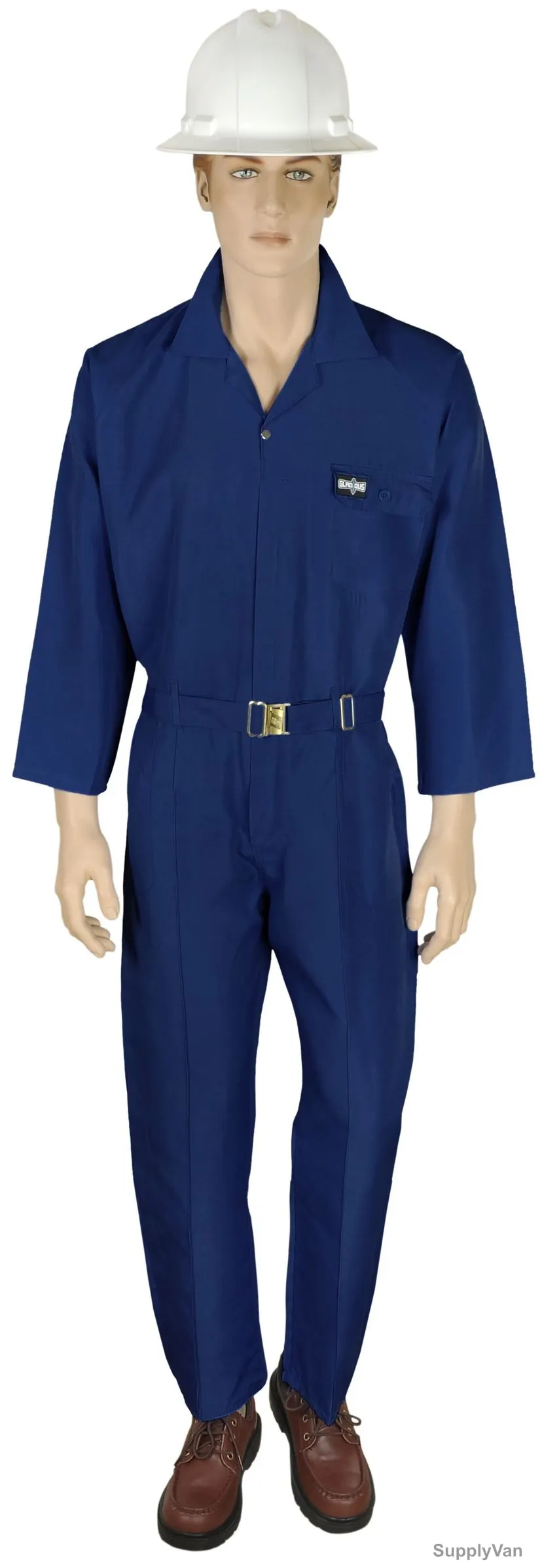
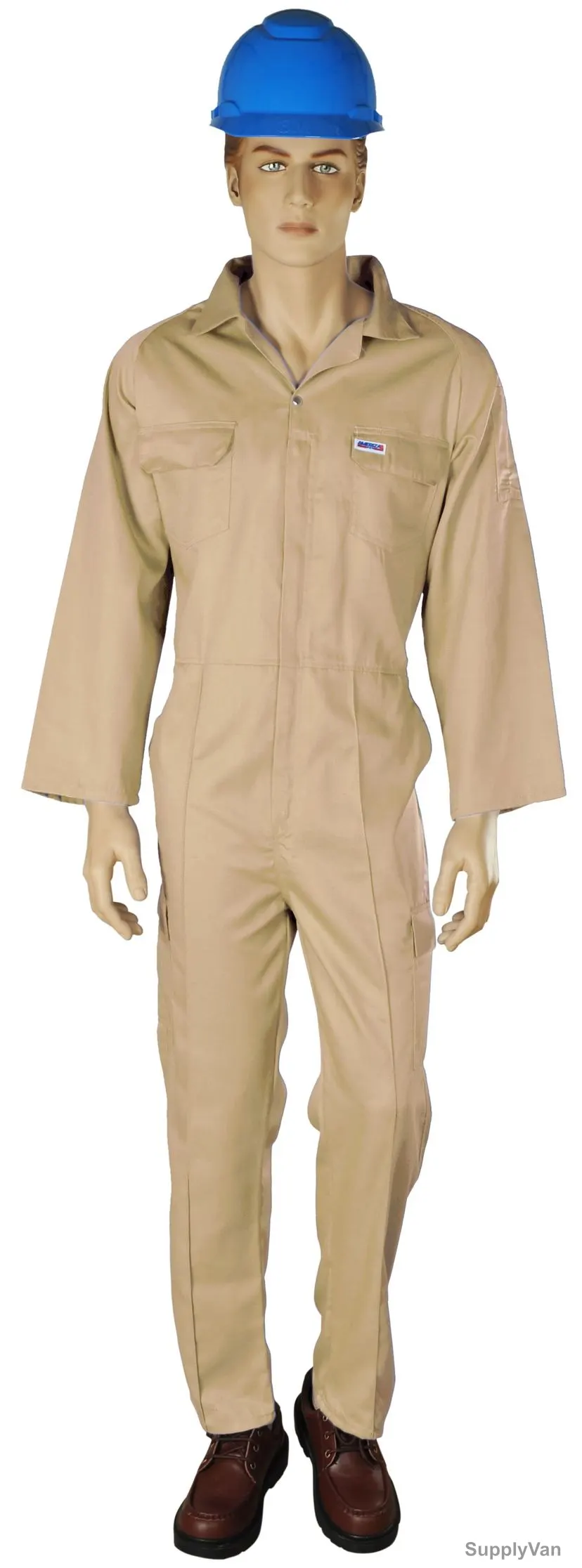
Reflective vests, coveralls |
|
Hearing protection |
Ears |
Ear plugs, ear muffs |
|
Respiratory protection |
Lungs and airways |
Dust masks, half and full-face respirators |
|
Fall protection |
Body, at height |
Harnesses, lanyards, safety nets |
|
First aid |
Minor injuries on site |
First aid kits, eye wash, bandages |
|
Fire safety |
People and property |
Extinguishers, blankets, alarms |
SupplyVan is a UAE-based supplier that brings head-to-toe safety gear together in one place, so a site manager can kit out a full crew without chasing a dozen different vendors.
Why UAE Construction Sites Need a Safety Gear Plan
The UAE is one of the most active building markets in the world. New towers, malls, and roads go up at a pace few other places can match. All that activity means thousands of workers on scaffolding, in trenches, and around heavy machines every single day.
With that much happening, hazards stack up fast. A worker might face falling tools from above, sharp rebar at waist height, and loud cutting equipment all in the same hour. Good construction safety equipment gives each of those risks its own line of defense.
Then there is the weather. Summer in the Emirates is brutal, and heat is a safety hazard on its own. A tired, overheated worker makes more mistakes, and those mistakes near a crane or a saw can be costly.
The UAE's summer midday work pause has run for more than two decades, and it is widely seen as one of the region's best-known worker protection rules.
A safety gear plan is not only about buying equipment. It is about matching the right gear to the right task, keeping it in good shape, and making sure every worker actually wears it. A helmet sitting in a storeroom protects no one.
How UAE Rules Shape Your Safety Equipment List
Safety on UAE sites is not left to guesswork. The country has a clear legal framework, and it decides much of what belongs on your checklist. Knowing these rules helps you buy the right gear the first time.
At the national level, the main law is Federal Decree Law No. 33 of 2021 on labour relations. Under this law, the employer must provide a safe workplace and the correct protective gear. Workers, in turn, must use that gear properly and must not damage or misuse it.
On top of that sits Ministerial Resolution No. 44 of 2022, which covers occupational health and safety. It also brings in rules like appointing a qualified safety officer once a construction company reaches a certain size. Many sources point to a threshold of around 100 workers for that requirement.
The rules do not stop at the federal level. Each emirate can add its own layer:
- Abu Dhabi works under the OSHAD system, its own occupational safety and health framework.
- Dubai applies Dubai Municipality health, safety, and environment standards on top of federal law.
- Other emirates and free zones may have their own safety requirements and inspection bodies.
A contractor who passes a federal check can still fail an emirate-level one. Reading only the national rules is a common and expensive mistake.
Two safety areas get special attention in the UAE, and both drive your gear list:
- Working at height. Fall protection is generally required for work at height, and many guides point to a threshold around 1.8 metres. That means harnesses, lanyards, guard rails, and safety nets are core items, not optional extras.
- Heat stress. During summer, outdoor work under direct sun is paused during the hottest part of the day. Employers must also provide shade, cool drinking water, and rest.
The summer midday work pause runs from 15 June to 15 September each year, with outdoor work under direct sun stopped daily between 12:30 pm and 3:00 pm. Fines for breaking this rule can reach into the tens of thousands of dirhams.
For a fuller picture of the gear side of these rules, a full PPE list for construction workers can help you cross-check your own site against what the law expects.
PPE vs Site Safety Gear: Knowing the Difference
People often use "safety equipment" to mean two different things. Splitting them apart makes your checklist clearer and easier to manage.
Personal protective equipment is gear a single worker wears on their body. Think of the helmet on their head, the gloves on their hands, and the boots on their feet. Each item guards one person from a specific hazard.
Site safety gear, on the other hand, protects the whole area and everyone in it. This group includes barriers, warning signs, fire extinguishers, first aid stations, and safety nets around open edges. One fire blanket can serve a whole team, not just one worker.
Here is a simple way to picture the split:
|
Type |
Who it protects |
Examples |
|
Personal gear (PPE) |
One worker |
Hard hat, gloves, boots, ear plugs |
|
Site safety gear |
The whole site |
Signs, barriers, extinguishers, first aid kits |
Both types matter, and a strong site uses them together. A worker in a full set of PPE still needs clear signs, guarded edges, and a first aid kit close by. Missing either half leaves a gap.
The Construction Safety Equipment Checklist for UAE Sites
Here is the heart of it. This checklist covers the gear a typical UAE construction site should have on hand. Use it as a starting point, then adjust for your own tasks and hazards. Every item below plays a clear role in keeping your crew safe.
1. Head Protection
The hard hat is the symbol of the job for a reason. Falling tools, swinging loads, and low beams all threaten the head, and a head injury is one of the most serious things that can happen on site.
Stock hard hats that fit well and sit snug with a chin strap for windy or high-up work. Bump caps suit lighter tasks where the main risk is knocking into fixed objects. In the UAE sun, look for helmets that handle heat and UV without going brittle over time.
2. Eye and Face Protection
Dust, sparks, flying chips, and splashing chemicals all put eyes at risk. A single stray fragment can cause lasting damage in an instant.
Your kit should include:
- Safety glasses for general dust and debris
- Goggles for finer dust or chemical splash
- Face shields for grinding, cutting, and welding
- Eyewash stations for fast rinsing after a splash
Clear, scratch-resistant lenses with UV protection work well under bright site conditions.
3. Hand Protection
Hands do almost every job on a site, so they meet almost every hazard. Cuts, burns, chemical contact, and crush injuries are all common.
Match the glove to the task:
- Cut-resistant gloves for handling sharp metal and glass
- Coated grip gloves for general handling and lifting
- Chemical-resistant gloves for solvents and adhesives
- Welding gloves for hot work
One glove type rarely covers everything, so keep a few styles in stock.
4. Foot Protection
Feet face dropped objects, sharp nails, wet surfaces, and heavy rolling loads. Steel-toe boots are the standard answer, guarding toes from impacts and punctures.
Look for anti-slip soles for smooth or wet floors and puncture-resistant midsoles for sites full of nails and debris. Comfort matters too, since workers wear these boots through long, hot shifts.
5. High-Visibility Clothing
On a busy site full of moving vehicles and machines, being seen is being safe. High-visibility vests and coveralls with reflective strips help drivers and crane operators spot workers quickly.
In the UAE heat, lightweight and breathable hi-vis wear helps workers stay cooler while staying visible. Some teams add cooling vests during peak summer to fight heat stress.
Keep a few spare hi-vis vests near the site entrance for visitors and inspectors. Anyone stepping onto the site should be visible, not only the regular crew.
6. Respiratory Protection
Concrete dust, silica, paint fumes, and adhesive vapors can harm the lungs over time. The damage often builds slowly, which makes it easy to ignore until it is serious.
Common respiratory gear includes:
- Disposable dust masks for light dust tasks
- Half-face respirators with filters for fumes and finer dust
- Full-face respirators for heavy exposure or chemical work
Match the filter type to the hazard, and replace filters on schedule.
7. Hearing Protection
Cutting, drilling, and heavy machinery push noise to levels that can cause lasting hearing loss. The tricky part is that the damage is painless and permanent.
Stock both earplugs and ear muffs so workers can pick what fits their task and comfort. In very loud zones, some workers double up with plugs under muffs for extra protection.
8. Fall Protection
Falls are among the most serious risks in construction, and UAE rules take height work seriously. Any work at height needs a proper fall protection plan and gear to back it up.
Core items include:
- Full-body harnesses as the base of any fall system
- Shock-absorbing lanyards to soften a fall
- Self-retracting lifelines for more freedom of movement
- Safety nets and anchor points to catch falls and secure workers
- Guard rails around open edges and floor openings
Inspect this gear often, since a worn harness can fail when it matters most.
9. First Aid Supplies
Even on a careful site, small injuries happen. Quick treatment keeps a minor cut or burn from turning into something worse.
Keep well-stocked first aid kits in easy-to-reach spots, and add eye wash bottles, burn dressings, and heat-related first aid supplies for the summer. Trained first aiders on each shift make these kits far more useful.
10. Fire Safety and Site Extras
Hot work, fuel storage, and electrical gear all raise fire risk. Fire safety equipment helps you catch a small flame before it spreads.
Round out the site with:
- Fire extinguishers placed near hot-work and fuel areas
- Fire blankets for smothering small fires
- Smoke and heat alarms for early warning
- Safety signs and barriers to mark hazards and control access
- Spill kits for fuel and chemical leaks
These items protect the whole team and the site itself, not just one worker.
Need to build this checklist into real gear on the ground? SupplyVan stocks each category above, from hard hats and harnesses to fire blankets and first aid kits, ready for bulk site orders across the UAE.
How to Choose Safety Equipment That Holds Up in UAE Heat
Buying gear is one thing. Buying gear that survives a UAE summer is another. Heat, UV, and dust wear equipment down faster here than in cooler climates, so a few extra checks pay off.
First, look at the certifications. Quality industrial safety equipment usually carries marks like CE, along with EN or ISO standards for the specific gear type. These marks show the item has been tested to a known benchmark, not just labeled as safe.
Second, factor in the climate. Constant sun and heat can shorten the life of helmets, gloves, and plastic parts. Because of this, many UAE sites replace certain gear more often than a milder climate would need.
A simple planning table helps:
|
Gear type |
What to check |
Heat and UV note |
|
Hard hats |
Cracks, fading, brittleness |
UV can weaken plastic over time |
|
Gloves |
Tears, worn grip, thinning |
Sweat and heat break them down faster |
|
Harnesses |
Frayed webbing, worn stitching |
Inspect before every use at height |
|
Respirator filters |
Clogging, expiry date |
Dust loads clog filters quickly |
Third, think about comfort. In extreme heat, breathable and lightweight gear is more likely to actually get worn. The best equipment on the shelf does nothing if it is too hot to keep on.
When shopping for safety equipment, UAE buyers should also plan for volume. Sites go through gloves, masks, and ear plugs quickly, so a steady supply matters as much as a single quality purchase. For a look at current gear worth stocking, this roundup of top safety gear for 2026 is a useful reference point.
Common Mistakes That Get Sites Fined
Even sites with good gear can slip up. A few mistakes show up again and again during inspections, and each one carries real risk to both workers and the company's record.
- Gear that sits unused. Providing helmets and vests is not enough. Workers must actually wear them, and supervisors must enforce that.
- Skipping documentation. In the UAE, inspectors often treat undocumented work as work that never happened. Safety inductions, gear checks, and toolbox talks all need a record.
- Reading only federal rules. As noted earlier, an emirate can be stricter. Passing one check does not guarantee passing another.
- Ignoring the heat rules. Missing the summer midday pause, or failing to provide shade and water, can lead to fines that climb quickly with each affected worker.
- Worn or expired gear. A cracked helmet or a frayed harness offers false comfort. Regular inspection catches these before they fail.
- No plan for visitors. Anyone stepping on site needs basic protection too, including inspectors, clients, and delivery drivers.
Fixing these is often cheaper than the fines and downtime that follow an incident. A short daily gear check and a simple logbook go a long way.
Ready to close these gaps? Order your full site safety kit from SupplyVan and get compliant gear delivered across the UAE, so your next inspection is one less thing to worry about.
Building a Safety Equipment Routine on Site
Great gear only works inside a good routine. The goal is to make safety a habit, not a one-time purchase. A steady rhythm keeps equipment ready and workers protected day after day.
Start each day with a quick gear check. Workers inspect their own helmets, gloves, and boots, and supervisors spot-check harnesses and other height gear. Anything cracked, frayed, or worn gets pulled and replaced.
Hold short toolbox talks before shifts. A five-minute reminder about the day's tasks and hazards keeps safety fresh in everyone's mind. These talks also give workers a chance to flag problems early.
Keep records of everything:
- Safety inductions for new workers
- Daily gear inspections and any replacements
- Toolbox talks and who attended
- Incident reports, even for near misses
Train supervisors well, since crews tend to copy the person leading them. A supervisor who wears full gear and follows the rules sets a stronger example than any poster on the fence.
Finally, keep your supply steady. Running out of gloves or masks mid-project tempts workers to skip protection. A reliable supplier and a small buffer stock prevent that gap.
Conclusion
A UAE construction site is a fast, hot, and busy place, and the right safety equipment keeps it from becoming a dangerous one. From hard hats and gloves to harnesses and fire blankets, each item on the checklist guards against a real and specific risk. Layer in the UAE's rules on height work and summer heat, and you have a clear picture of what every site needs.
The list may look long, but sourcing it does not have to be hard. Match your gear to your tasks, respect the local rules, and keep a steady routine of checks and records. Do that, and both your crew and your compliance record stay in good shape.
Build a safer, fully stocked site today. Kit out your crew with trusted gear from SupplyVan and give every worker the protection the job demands.
Frequently Asked Questions
Who is responsible for providing safety equipment on a UAE construction site?
Under UAE labour law, the employer must provide the correct protective gear at no cost to the worker. Workers are then responsible for wearing it properly and reporting any damaged or missing items.
How often should construction PPE be replaced in the UAE?
There is no single fixed date, since it depends on the gear and how hard it is used. Because heat, UV, and dust wear items down faster here, many UAE sites inspect gear daily and replace it more often than in cooler climates.
Do small construction sites need the same safety equipment as large ones?
The core gear list stays the same, since the hazards are similar regardless of site size. Some extra rules, like appointing a qualified safety officer, tend to apply once a company reaches a larger workforce.
What safety gear is most important during UAE summer?
Beyond standard PPE, summer calls for hydration, shade, and lightweight, breathable clothing to fight heat stress. Cooling vests, cold water stations, and heat-related first aid supplies also become key during the hottest months.
Are there penalties for not providing proper safety equipment in the UAE?
Yes. Failing to meet safety and heat-protection rules can lead to fines, project delays from halted inspections, and in serious or repeated cases, tougher action against the company.