
Material Handling Equipment and Storage Solutions Every UAE Warehouse Have
A warehouse is only as good as the tools inside it. Goods come in, get sorted, get stored, and go out again, sometimes hundreds of times a day. When the right gear is in place, that whole cycle feels smooth.
When it is missing, everything slows down and the risk of damage and injury climbs fast. This is why the right material handling equipment sits at the heart of every well-run warehouse in the country.
From the pallet truck by the loading bay to the racking that holds your stock, each piece plays a part. Having the right handling and storage tools can be the difference between a floor that hums along and one that jams up by lunchtime.
The gap between a warehouse that ships on time and one that always seems a step behind usually comes down to a handful of machines most people never think about.
Key Takeaways
Every UAE warehouse runs on a mix of handling gear and storage systems that work together. At a minimum, you need something to move pallets (like hand or electric pallet trucks), something to lift and stack (forklifts and reach trucks), a way to store goods off the floor (racking and shelving), and safety gear to protect your team. The exact setup depends on your space, your stock, and how busy you get. Get these basics right, and the rest of your operation gets easier.
|
Category |
Common Examples |
Main Job |
|
Handling gear |
Pallet trucks, forklifts, trolleys, conveyors |
Move goods across the floor |
|
Storage systems |
Pallet racking, shelving, bins, mezzanines |
Hold stock safely and save space |
|
Lifting tools |
Cranes, hoists, lift tables, stackers |
Raise heavy or awkward loads |
|
Safety gear |
PPE, barriers, signage, fire equipment |
Protect people and stock |
|
Dock equipment |
Dock levelers, ramps, wheel chocks |
Load and unload trucks safely |
SupplyVan has quietly become a trusted source for warehouses across the UAE, stocking handling and storage gear for teams of every size.
What Material Handling Equipment Actually Means
The phrase sounds technical, but the idea is simple. Material handling equipment is any tool, machine, or system that helps you move, lift, store, or protect goods as they travel through your warehouse. It covers the small stuff like a hand trolley and the big stuff like a full conveyor line.
Think about the journey a single box takes. It arrives on a truck, gets unloaded, moves to a storage spot, waits there, then gets picked, packed, and sent out. Every one of those steps needs a tool to make it faster and safer. Without the right gear, your team ends up lifting and carrying by hand, which is slow, tiring, and risky.
Experts usually sort this equipment into four main groups. Knowing these groups makes it much easier to plan what you actually need.
- Storage and handling equipment. These are the racks, shelves, bins, and pallets that hold your goods when they are not moving. They keep stock off the floor and easy to find.
- Industrial trucks. These are the wheeled machines that carry goods around, like pallet trucks, forklifts, and trolleys. Some are pushed by hand, others run on power.
- Engineered systems. These are larger setups with many parts working together, such as conveyor lines and automated storage systems. They move goods along a set path with little manual effort.
- Bulk handling equipment. This gear deals with loose materials like grain, sand, or cement. It includes hoppers, bucket elevators, and certain conveyors.
Most everyday warehouses lean heavily on the first three groups. A food distributor and a hardware supplier might stock very different products, but both rely on the same basic families of tools to keep goods moving.
Material handling is said to touch nearly every stage of the supply chain, from the factory floor all the way to your front door. The box on your doorstep was likely lifted, stored, and moved by half a dozen machines before it ever reached you.
Why Warehouses in the UAE Have Specific Needs
A warehouse in Dubai or Abu Dhabi faces a few conditions that shape the gear it needs. The choices that work in a mild climate do not always hold up here, so it pays to think local.
First, there is the heat. Summers are long and hot, and warehouse interiors can climb high without good cooling. Equipment has to handle those temperatures without breaking down. Battery-powered machines, hydraulic seals, and rubber parts all feel the strain, so build quality matters more than it might elsewhere.
Second, the region is a major trade and logistics hub. Goods flow in from around the world and head back out just as fast. That kind of volume rewards warehouses that can load, store, and pick quickly. Slow, manual handling simply cannot keep pace with the throughput many local operations expect.
Third, e-commerce keeps growing across the region. More online orders mean more small, fast-moving parcels and more picking activity. Warehouses that once handled a few bulk pallets a day now juggle thousands of individual items. That shift changes the mix of material handling equipment UAE businesses reach for, pushing many toward order pickers, conveyors, and smart storage.
Here is a quick look at how local conditions shape equipment choices:
|
UAE Condition |
What It Means for Your Gear |
|
High summer heat |
Durable builds, heat-tolerant batteries, and seals |
|
Heavy trade volume |
Faster handling, higher-capacity machines |
|
E-commerce growth |
More picking tools, conveyors, and small-item storage |
|
Dust and outdoor yards |
Corrosion-resistant and galvanized options |
|
Safety regulations |
Certified lifting gear and proper PPE |
The point is not to buy the fanciest machine on the market. It is to match your gear to how you actually work and to the environment it will live in.
The Core Material Handling Equipment Every Warehouse Relies On
If you are setting up or upgrading a warehouse, these are the pieces of handling gear that earn their keep almost everywhere. You will not need every single one on day one, but most busy operations end up with a good chunk of this list. Each item below does a specific job, so think of them as a toolkit rather than a shopping order.
- Hand pallet trucks. This is the humble workhorse of the warehouse. You slide the forks under a pallet, pump the handle, and wheel it wherever it needs to go. Hand pallet trucks are cheap, reliable, and easy to use with almost no training. Every warehouse should have at least a few. Suppliers like SupplyVan carry a range of hydraulic and electric pallet trucks built for both light jobs and heavy industrial loads.
- Electric pallet trucks and stackers. When your floor gets busy, pumping a handle all day wears people out. Electric models do the lifting and driving for you. Stackers go a step further and raise pallets up onto racking, giving you some forklift-style power in a smaller, lighter machine. They are a smart middle step for growing warehouses.
- Forklifts. When you need to lift heavy pallets high or move them across long distances, the forklift is king. Counterbalance forklifts handle everyday pallet work. Rough-terrain models deal with gravel and outdoor yards. Forklifts do call for trained, certified operators, so factor that in before you buy.
- Reach trucks and order pickers. Reach trucks are built for tall racking and narrow aisles, so you can store goods higher without wasting floor space. Order pickers lift a worker up to the shelves to grab individual items, which is perfect for e-commerce and mixed-stock warehouses. Both help you use vertical space, a big win when floor area is pricey.
- Hand trucks, trolleys, and platform carts. Not everything sits on a pallet. For boxes, drums, and loose items, a good set of trolleys and platform carts keeps small loads moving without strain. They are inexpensive, and having enough of them stops your team from overloading or carrying by hand.
- Conveyor systems. For warehouses that move a steady stream of boxes, a conveyor takes the walking out of the job. Belt, roller, and gravity conveyors carry goods from one zone to another, speeding up packing and sorting. They shine in high-volume operations where the same route gets used over and over.
- Loading dock equipment. The dock is where goods meet trucks, and it needs its own gear. Dock levelers bridge the gap between the truck bed and your floor. Ramps let pallet trucks roll on and off. Wheel chocks keep trucks from rolling during loading. Good dock gear speeds up turnaround and cuts accidents at one of the busiest points in the building.
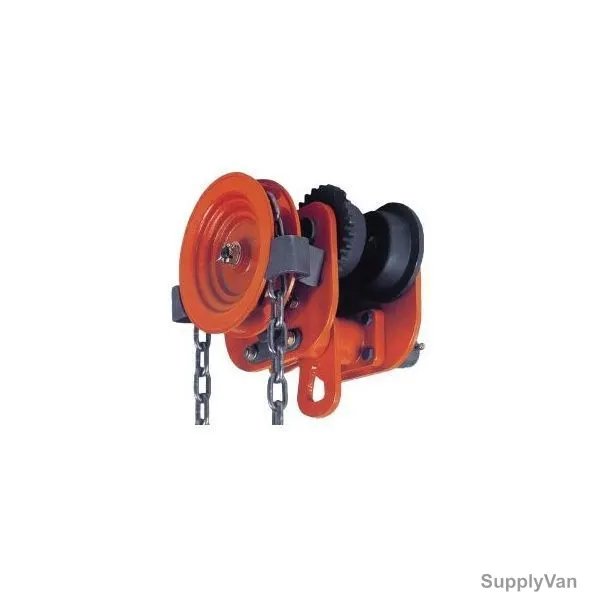
- Cranes and hoists. Some loads are too heavy or too awkward for a forklift. Overhead cranes and hoists lift these items straight up and set them down with control. They are common in warehouses that handle machinery, steel, or oversized parts. Even a simple chain hoist can save your team from a risky manual lift.
- Lift tables and scissor lifts. These raise goods to a comfortable working height so staff are not bending and reaching all day. That may sound minor, but poor posture is a leading cause of warehouse injuries. Lift tables protect your people and keep them working longer without pain.
Need pallet trucks, stackers, or trolleys that can take a beating? SupplyVan's material handling range covers light-duty tasks and heavy industrial loads alike.
You do not have to buy this whole list at once. Start with the basics that match your daily work, then add specialized gear as your volume grows. A small warehouse might run happily on pallet trucks, trolleys, and a single forklift, while a busy distribution center layers on conveyors, reach trucks, and dock gear.
Before buying any powered machine, measure your aisle widths and door heights. A forklift or reach truck that cannot turn in your aisles is an expensive paperweight.
Warehouse Storage Solutions and Racking Systems
Moving goods is only half the battle. You also have to store them well, and that is where smart storage pays off. Good warehouse storage equipment keeps stock organized, off the floor, and easy to reach. It also lets you use your vertical space, which is often the cheapest space you own.
The backbone of most storage setups is racking. Choosing the right warehouse racking systems depends on your stock, your throughput, and how you like to pick. Here are the main types worth knowing.
- Selective pallet racking. The most common and flexible option. Every pallet is easy to reach, which suits warehouses with many different products. It is affordable and easy to reconfigure as your needs change.
- Drive-in racking. Forklifts drive right into the rack to store pallets deep. This packs in a lot of the same product in a small footprint, great for high-density storage of similar items.
- Double-deep racking. A middle ground that stores pallets two deep to boost density, while still keeping decent access. It usually calls for a reach truck with an extended reach.
- Cantilever racking. Built for long, awkward items like pipes, timber, and steel that will not sit neatly on a standard shelf. The open front makes loading easy.
- Mezzanine floors. A raised platform that adds a whole second level to your warehouse. It turns unused overhead air into usable storage or workspace without moving buildings.
- Shelving units and bins. For small parts, tools, and loose items, sturdy shelving and labeled bins keep everything findable. Plastic bins and stackable containers help sort and protect smaller goods.
A quick way to match racking to your goods:
|
Storage Need |
Best-Fit Option |
|
Many different products |
Selective pallet racking |
|
Lots of one product |
Drive-in or double-deep racking |
|
Long or bulky items |
Cantilever racking |
|
Small parts and tools |
Shelving and bins |
|
Growing out of floor space |
Mezzanine floors |
When you plan storage, always match it to your handling gear. Tall racking needs a forklift or reach truck that can reach the top shelf. Narrow aisles need machines built to turn in tight spaces. The two systems have to work as a pair. Many local suppliers stock a full range of handling and storage equipment so you can plan both sides together.
Racking should be inspected regularly and marked with clear load limits. A knocked or overloaded rack can fail suddenly, and the results are dangerous. A quick weekly check is cheap insurance.
Safety Equipment That Keeps Your Warehouse Running
A warehouse full of moving machines and stacked pallets carries real risks. Good safety gear protects your team, keeps you on the right side of local rules, and prevents costly downtime. Skipping it is never worth the savings.
Solid warehouse safety equipment starts with the people on the floor. The right personal protective equipment shields workers from the everyday hazards of the job. That usually means:
- Safety shoes with toe protection against dropped loads
- High-visibility vests so forklift drivers can see staff on foot
- Gloves for handling rough or sharp goods
- Hard hats in areas with overhead work or stacked pallets
- Eye and ear protection where dust, debris, or noise is a concern
Beyond what your team wears, the building itself needs safety features:
- Guardrails and barriers to separate people from moving forklifts
- Column and rack guards to stop small bumps from turning into big damage
- Clear signage and floor markings for aisles, speed zones, and pedestrian paths
- Fire extinguishers and alarms are placed where staff can reach them fast
- Spill kits and anti-slip mats to keep floors safe and dry
- First aid stations are stocked and easy to find
Training matters just as much as gear. A certified forklift operator, a team that knows the fire plan, and clear rules for lifting cut accidents more than any single tool. Safety works best as a habit, not a box you tick once.
Ready to kit out your warehouse the smart way? Browse SupplyVan and get your handling, storage, and safety gear delivered fast across the UAE.
A large share of warehouse injuries are tied to manual lifting and handling rather than the big machines. Simple tools like trolleys and lift tables often prevent more injuries than the fancy equipment does.
How to Choose the Right Setup for Your Warehouse
With so many options, it helps to have a simple way to decide. You do not need every machine, and buying gear you never use just drains your budget. Work through these questions, and the right shortlist tends to appear on its own.
- What are you moving? Pallets, boxes, drums, or long steel all call for different tools. Match the machine to the shape and weight of your goods.
- How heavy are your loads? Check the weight capacity you truly need. A hand pallet truck handles light jobs, while heavy pallets may need a rated forklift or hydraulic truck.
- How busy is your floor? Low volume can run on manual gear. High-volume rewards powered trucks, conveyors, and faster systems that keep the queue short.
- What is your space like? Measure aisle width, ceiling height, and door sizes before you buy. Tight aisles need narrow machines. High ceilings reward reach trucks and tall racking.
- What is the environment? For hot yards, dusty zones, or damp areas, look for durable, corrosion-resistant, or galvanized builds that last in local conditions.
- Manual or powered? Manual gear is cheaper and needs no charging. Powered gear costs more up front but saves time and spares your team from fatigue. Many warehouses run a mix of both.
- What is your budget over time? Look past the sticker price to running costs, spare parts, and maintenance. A cheap machine that breaks often can cost more than a solid one that lasts.
A good rule is to start with the essentials, then grow. Buy the gear your daily work demands now, and add specialized machines as your volume and range expand. This keeps your spending tied to real need rather than guesswork.
When in doubt, ask a supplier who knows the local market. A good vendor can steer you toward gear that fits your space, your stock, and the climate, saving you from an expensive mismatch.
Keeping Everything Running: Maintenance Basics
Buying the right gear is step one. Keeping it working is step two, and it is the step many warehouses forget until something breaks. A little care goes a long way, and it costs far less than emergency repairs or replacements.
Build a few simple habits into your week:
- Daily checks. Before a shift, operators should glance over trucks and forklifts for leaks, worn wheels, low batteries, or loose parts. It takes minutes and catches problems early.
- Regular servicing. Follow the maker's schedule for hydraulic fluid, brakes, and moving parts. Skipping service shortens the life of any machine.
- Battery care. For electric gear, charge and store batteries the right way. In hot climates, heat can drain and damage batteries faster, so keep them cool where you can.
- Rack inspections. Walk the racking weekly to spot bent uprights, loose beams, or overloaded shelves. Damaged racking is a safety risk, not just a storage one.
- Keep spares handy. Common wear parts like wheels, seals, and handles are worth stocking. A small spare shelf keeps a minor fault from stopping a whole line.
Good maintenance also protects your people. A well-kept machine is a safer machine, and a stable rack is a safe rack. When gear is properly cared for, your material-handling equipment lasts longer, works harder, and keeps your team out of harm's way.
Conclusion
A smooth warehouse is built on the right mix of tools, storage, and safety gear working together. The pallet trucks and forklifts move your goods. The racking and shelving hold them.
The safety gear protects the people who make it all happen. Get those three pillars right, and the daily grind of loading, storing, and shipping becomes a whole lot easier. The best material handling equipment for your warehouse is the gear that fits your space, your stock, and the conditions you work in, not the flashiest machine on the shelf.
Start with the basics, match each tool to a real job, keep everything well maintained, and grow your setup as your business grows. That steady approach beats overspending every time.
When you are ready to build a warehouse that runs smoothly and safely, SupplyVan has the handling, storage, and safety gear to get your team moving.
Frequently Asked Questions
What is the difference between a pallet truck and a forklift?
A pallet truck lifts a pallet just off the ground to wheel it around, while a forklift lifts loads high enough to stack them on racking. Pallet trucks are cheaper and easier to use, but forklifts handle heavier loads and greater heights.
Do I need a special license to operate a forklift in the UAE?
Yes, forklift operators generally need proper training and certification before using the machine on the job. This protects both the driver and the people working nearby, and it is expected under local safety standards.
How much weight can a standard hand pallet truck carry?
Most common hand pallet trucks are built to handle a few tons at a time, though the exact capacity varies by model. Always check the rated capacity printed on the machine and never load beyond it.
What racking system is best for a small warehouse?
Selective pallet racking is usually the safest first choice because it is affordable, easy to reach, and simple to reconfigure. As you store more of the same product, you can add higher-density options like drive-in racking later.
How often should warehouse safety equipment be checked?
Daily visual checks are wise for machines and PPE, with more thorough inspections of racking, fire gear, and lifting equipment on a regular schedule. Frequent checks catch small issues before they turn into accidents.
Shop this article